Book a FREE 1:1 Assessment Call By Clicking HERE

Specialising In Dog Reactive Behaviour
Accredited by APDT, ABTC and UK DOG Behaviour and Training Charter
Qualified and Experienced
Force Free Trainer and Behaviourist
Dog Training Leicestershire Educational Blogs
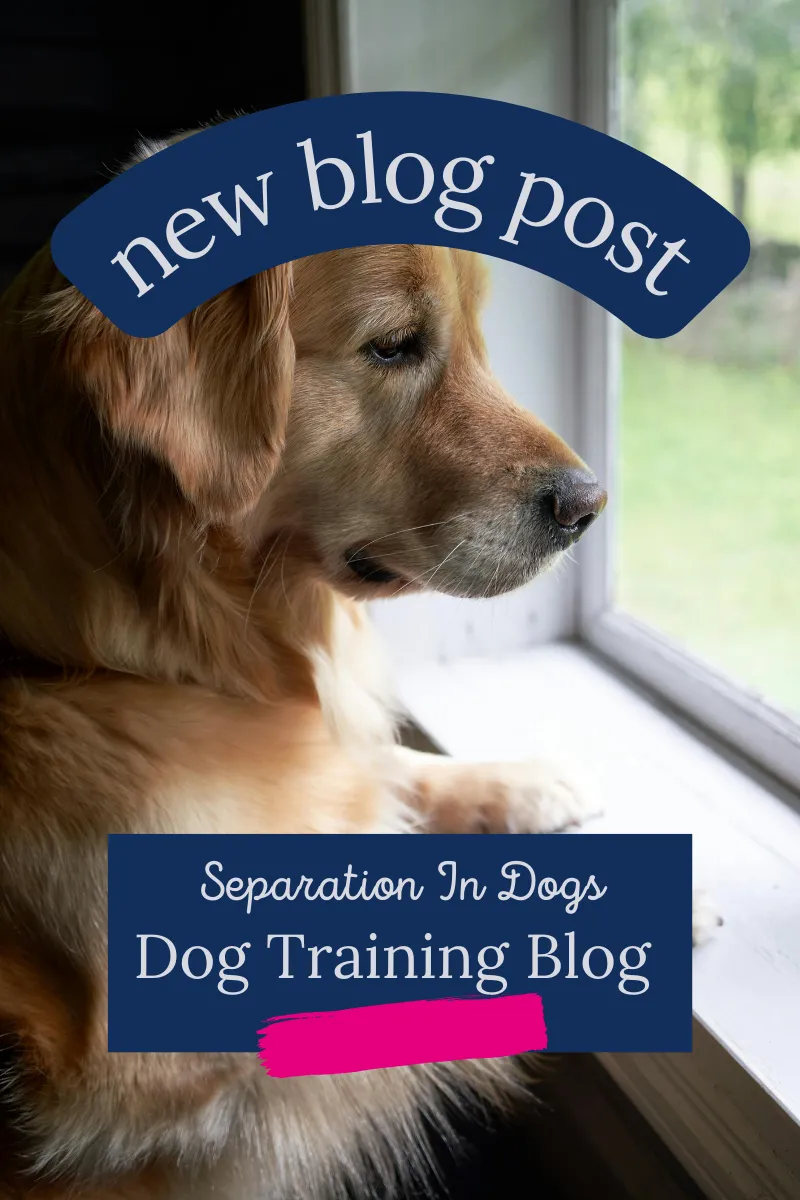
Separation Anxiety In Dogs Leicestershire
🏡 Separated at Home: Why Every Second Matters for Your Dog's Separation Anxiety

Separation anxiety (SA) is one of the most heartbreaking and misunderstood dog behaviour challenges. It's not about "bad dogs" or "spiteful acts"—it's a full-blown panic disorder. When left alone, dogs with SA experience extreme distress, often leading to destructive behaviour, incessant barking, howling, inappropriate urination/defecation, or intense pacing.
Crucially, addressing SA isn't about teaching your dog to "be alone." It's about reducing the profound stress they experience, and that journey always starts with a thorough assessment and cortisol management BEFORE any departure cues are introduced.
🚨 The Silent Enemy: Why Cortisol is Our Enemy
What is the root cause of separation anxiety in dogs?
When a dog with SA is left alone, their body is flooded with cortisol – the primary stress hormone. This isn't a quick spike; for many dogs, cortisol levels remain elevated for hours after you've returned, creating a state of chronic stress.
Why elevated cortisol is so damaging:
Hindered Learning: High cortisol makes it impossible for the brain's learning centres (the prefrontal cortex) to function effectively. A stressed dog cannot learn to be calm.
Increased Reactivity: Chronically high cortisol can make dogs more reactive, anxious, and even aggressive in other areas of their lives.
Physical Health Issues: Long-term stress can compromise the immune system, impact digestion, and lead to other health problems.
Our primary goal in SA intervention is to bring those cortisol levels down to baseline BEFORE we ask anything else of the dog.
How Do I Tell If My Dog Is Anxious?
There are many signs that your dog is struggling home alone, they may be destructive, they will likely not eat or drink anything when alone, they may bark and howl. They may simply shut down and not move at all.
Is It My Fault That My Dog Has Separation Anxiety?
No, it is not your fault. Anxiety can develop for may different reasons, such as breed, if the parents were anxious it can be passed to the dog, pain and health issues and much more!

🔍 Beyond the Front Door: Unmasking Micro-Triggers
Many owners focus solely on the moment they leave the house. However, dogs with SA often develop associations with tiny, seemingly insignificant cues that predict your departure. These are called micro-triggers, and they initiate the stress response long before you even touch the doorknob.
Common Micro-Triggers include:
Picking up your keys or wallet/purse
Putting on shoes
Grabbing your coat
Brushing your teeth
Turning off specific lights
The sound of your car keys jingling
Even saying specific phrases like "Be a good boy/girl!"
Each micro-trigger can cause a little dopamine spike of anticipation that quickly turns into an anxiety spike. If we don't identify and neutralize these, we are constantly triggering the dog's anxiety, keeping their cortisol levels high, and making it impossible for them to learn a new, calm routine.
At what age does separation anxiety typically peak?
Separation anxiety can occur at any age. However, if it suddenly occurs, especially in an older dog, it could be an indication of pain or health issues and a vet check is recommended
How do you get rid of a dog's anxiety?
📝 The Critical First Step: The Assessment & Management Plan
This is where a professional separation anxiety assessment is invaluable. It's not just about watching your dog alone; it's about understanding the entire picture.
Video Analysis: We use real-time video recordings of your dog alone to precisely identify stress behaviours, their intensity, and duration.
Identifying Micro-Triggers: We meticulously go through your daily routine to pinpoint every single cue that might predict your departure.
Building a Management Strategy:
Departure Neutralization: We start practicing micro-triggers out of context, repeatedly and without actual departure, until they become "boring" and no longer predict you leaving.
Cortisol Reduction Protocol: This involves structured enrichment, calming activities (like long-duration chewing or sniff-work), and often, veterinary consultation for anxiety medication to help bring those stress levels down. For many dogs, medication isn't a "cure" but a vital tool to lower anxiety enough for them to be receptive to learning.
Preventing "Over-Threshold" Experiences: The golden rule of SA is: do not leave your dog alone for longer than they can comfortably tolerate. This often means arranging pet sitters, dog walkers, or using doggy daycare during the initial stages of training. Every time your dog has a full-blown panic attack alone, it reinforces the anxiety and elevates cortisol, sabotaging progress.
Why You Can't Skip These Steps: What not to do with dog separation anxiety
Attempting to "jump" straight to departure cues (like leaving for 5 minutes, then 10) without addressing cortisol and micro-triggers is like trying to build a house on quicksand. The foundation isn't stable. Your dog will remain too stressed to learn, and progress will be minimal, frustrating, and potentially even harmful.
If you suspect your dog has separation anxiety, the first step is always an expert assessment. It’s a journey of compassion, patience, and science, but one that can lead to a calm, happy dog and a peaceful home.
Never punish your dog for becoming upset or anxious. This will make it worse.
Can I Crate A Dog With Separation Anxiety?
If your dog is crate trained, it could help them feel safer, however, placing a dog who is struggling n a crate is not an effective treatment for anxiety, because it is not addressing the root cause and associated emotional issues the dog is experiencing.
What Medication is Used For Separation Anxiety in Dogs?
Medication should not be the first thing to give to an anxious dog. A behaviour modification plan after a thorough assessment can help alleviate symptoms. Fluoxetine is a drug commonly used, in conjunction with a behaviour plan.
Is your dog struggling with being left alone? Reach out today for a compassionate and effective SA assessment. We're here to help you and your best friend navigate this challenging journey.
Book your free call here
#SeparationAnxiety #DogBehaviour #StressFreeLiving #Cortisol #MicroTriggers #DogTraining #LeicestershireDogs #ForceFree #Dogtrainingleicestershire

Highly Qualified Behaviourist
Accredited by APDT, ABTC and UK DOG Behaviour and Training Charter
Accredited Scentwork Instructor
Force Free Trainer and Behaviour
Force Free Trainer and Behaviour
Accredited Scentwork Instructor
Accredited by APDT, ABTC and UK DOG Behaviour and Training Charter
Highly Qualified Behaviourist
Contact Us
You can contact us via Live Chat button at the bottom of the screen or the contact box to the right.
You can also book one of our services online using the View Dates buttons under the service you require.
© 2023 by Rovers Return Dog Trainers Academy - Force Free Dog Training Lutterworth, Broughton Astley, Leicestershire, Hinckley, Nuneaton, Stoney Stanton, South Kilworth, Ullesthorpe
Privacy Policy | Terms and Conditions | Terms and Conditions of Services | Sitemap
Facebook
Instagram
X
LinkedIn
Youtube
TikTok